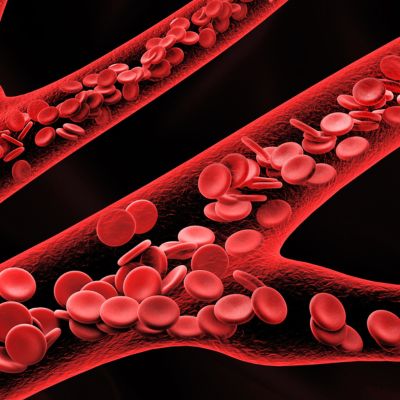
Vascular Trauma & Emergency Care
Vascular trauma refers to an injury affecting blood vessels,
including arteries and veins. These injuries can occur
following road traffic accidents, falls, workplace injuries,
sports trauma, fractures or other serious accidents. Damage to
a blood vessel can affect blood flow to an injured limb and
may require immediate medical assessment.
Dr. Rahul Singh provides specialized vascular evaluation and
emergency care for patients with suspected blood vessel
injuries. The priority is to assess circulation, control
bleeding, identify vascular damage and provide appropriate
treatment to help protect the affected limb and overall
health.
Expert Care for Vascular Emergencies
Vascular emergencies require prompt assessment because
reduced blood flow or significant bleeding can become
serious quickly. Treatment depends on the type and
severity of the injury and may include bleeding control,
vascular repair or reconstruction, restoration of blood
flow and appropriate wound management. Each patient is
assessed individually based on their injury and clinical
condition.
Prompt vascular assessment can be critical when an injury
affects blood vessels, circulation or causes significant
bleeding.
Frequently Asked Questions
Vascular trauma can affect the circulation of an injured
limb and may require urgent specialist attention.
Recognizing warning signs and seeking emergency medical care
promptly can help reduce the risk of serious complications.
-
What is vascular trauma?
Vascular trauma is an injury to a blood vessel, such
as an artery or vein. It can occur after accidents,
fractures, penetrating injuries, blunt trauma or
other serious injuries and may affect blood flow or
cause significant bleeding.
-
What are the warning signs of a vascular injury?
Warning signs can include heavy bleeding, a weak or
absent pulse, coldness of the affected limb, pale or
bluish skin, severe pain, numbness, tingling or
weakness. These symptoms following an injury require
urgent medical assessment.
-
When should vascular trauma be treated as an emergency?
Significant bleeding, sudden loss of circulation, a
severely painful or cold limb, loss of sensation or
weakness after an injury can indicate a vascular
emergency. Such symptoms should be assessed
immediately at an emergency medical facility.
-
How is vascular trauma treated?
Treatment depends on the location and severity of
the vascular injury. Evaluation may include clinical
examination and vascular imaging when appropriate.
Depending on the injury, treatment may involve
bleeding control, repair or reconstruction of the
injured vessel, restoration of blood flow and
supportive wound care.