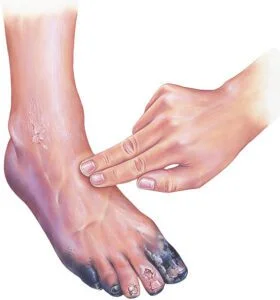
Gangrene Treatment
Gangrene is a serious condition that occurs when body tissue
dies because of inadequate blood supply, severe infection or a
combination of both. It can affect the toes, feet, legs and
other areas of the body and requires timely medical
assessment. Conditions such as peripheral artery disease,
diabetes and other circulation problems can increase the risk
of developing gangrene.
Dr. Rahul Singh provides specialized vascular evaluation and
treatment for patients with gangrene and compromised blood
circulation. The treatment approach focuses on assessing blood
flow, identifying the underlying cause, controlling infection
when present and protecting as much healthy tissue as
clinically possible.
Advanced Care for Gangrene & Poor Circulation
Gangrene requires careful assessment of the affected
tissue and the circulation supplying it. A vascular
evaluation can help determine whether reduced blood flow
is contributing to tissue damage and whether vascular
treatment may help improve circulation. Treatment is
individualized according to the patient's condition, the
extent of tissue damage and any associated medical
problems.
Prompt medical and vascular evaluation is important when
tissue changes, severe infection or signs of reduced blood
flow are present.
Frequently Asked Questions
Gangrene can progress rapidly in some patients, particularly
when there is severe infection or inadequate blood
circulation. Understanding the warning signs and seeking
timely medical attention can be important for protecting
healthy tissue and reducing the risk of serious
complications.