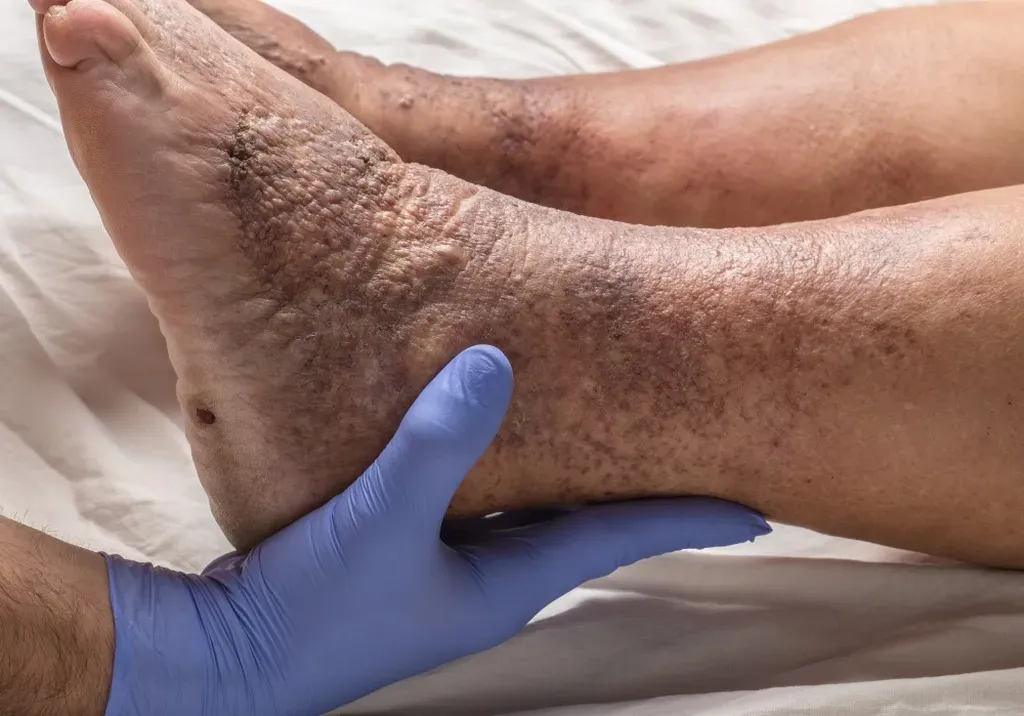
Deep Vein Thrombosis
Deep Vein Thrombosis (DVT) is a condition in which a blood
clot develops in a deep vein, most commonly in the leg. DVT
can cause swelling, pain, tenderness, warmth or changes in the
colour of the affected limb. In some cases, a clot can travel
to the lungs and cause a potentially serious complication
known as pulmonary embolism.
Dr. Rahul Singh provides specialized vascular evaluation and
management for patients with suspected or diagnosed Deep Vein
Thrombosis. Assessment focuses on identifying the location and
extent of the clot, understanding the patient's risk factors
and providing an appropriate treatment and follow-up plan.
Specialized Care for Deep Vein Thrombosis
DVT requires timely medical evaluation because symptoms
can vary from mild discomfort to significant swelling and
pain. Vascular assessment and appropriate diagnostic
testing can help confirm the condition and guide
treatment. Management is individualized according to the
location of the clot, symptoms, risk factors and overall
health of the patient.
Sudden leg swelling, pain or unexplained discomfort should
not be ignored, especially when there is a risk of blood
clot formation.
Frequently Asked Questions
Understanding Deep Vein Thrombosis and recognizing its
warning signs can help patients seek medical attention
promptly. Early evaluation is particularly important when
symptoms develop suddenly or when there are known risk
factors for blood clots.
-
What is Deep Vein Thrombosis?
Deep Vein Thrombosis is a blood clot that forms in a
deep vein, usually in the leg. The clot can
interfere with normal blood flow and may cause
swelling, pain, warmth or tenderness in the affected
limb.
-
What are the common symptoms of DVT?
Symptoms may include swelling in one leg, pain or
tenderness, warmth of the affected area, skin
discoloration or a feeling of heaviness. Some people
with DVT may have few or no noticeable symptoms.
-
Who is at risk of developing Deep Vein Thrombosis?
Risk can increase with prolonged immobility, recent
surgery or hospitalization, long-distance travel,
certain medical conditions, previous blood clots and
other factors that increase the tendency for blood
to clot. Individual risk varies from person to
person.
-
How is Deep Vein Thrombosis diagnosed and treated?
Diagnosis commonly involves a clinical assessment
along with vascular imaging such as Doppler
ultrasound when required. Treatment depends on the
patient's condition and may include medicines that
reduce blood clotting, monitoring and other measures
recommended by the treating doctor. Severe or
complicated cases may require specialized vascular
management.